Sustainable Pantry Living
Nordic pantry organization naturally aligns with environmental values. Reduce waste, embrace reusable materials, and create a kitchen that honors both your needs and the planet's resources.
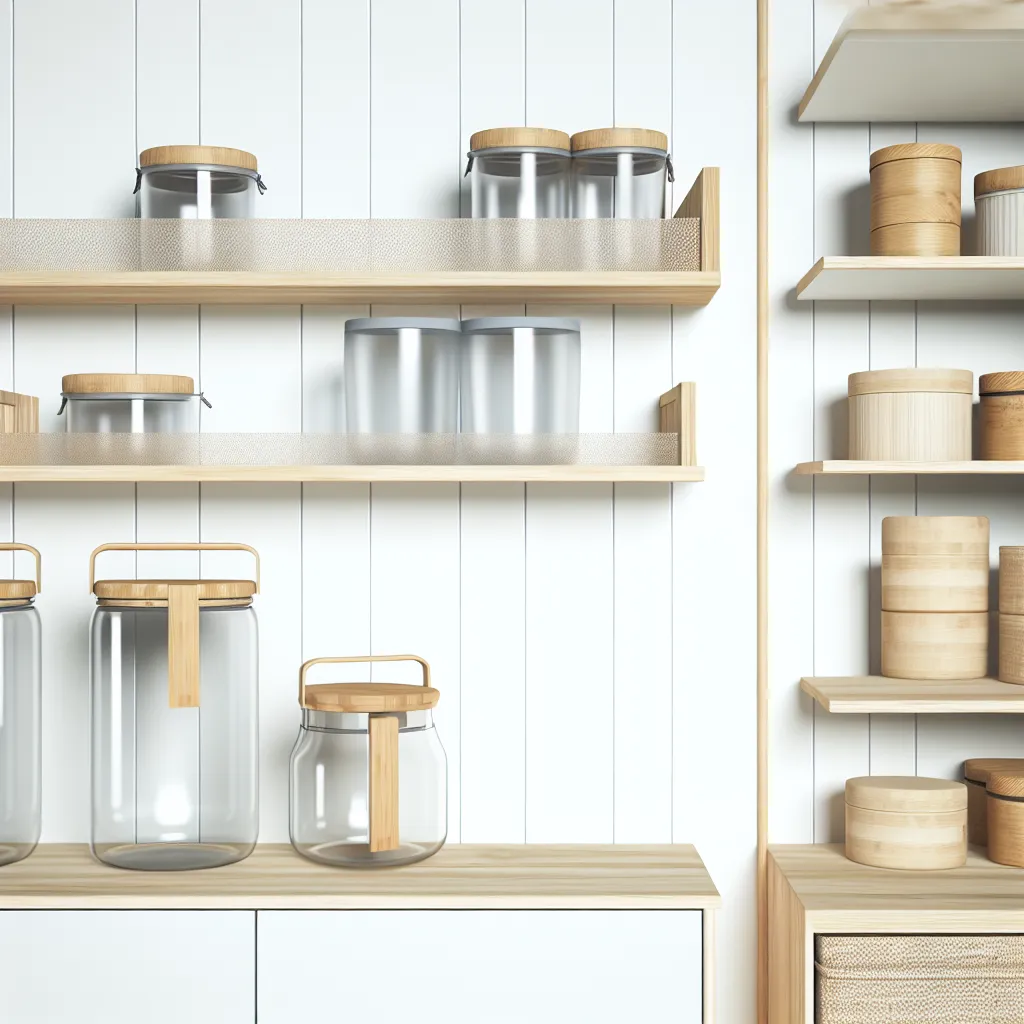
Nordic pantry organization naturally aligns with environmental values. Reduce waste, embrace reusable materials, and create a kitchen that honors both your needs and the planet's resources.
A well-organized pantry isn't just aesthetically pleasing—it's an environmental statement. When you can see what you have, you buy only what you need. When ingredients stay fresh longer, nothing goes to waste. When you choose reusable glass over disposable plastic, you reduce your household's environmental footprint significantly.
Bulk buying with reusable containers dramatically reduces single-use plastic packaging waste.
Visibility and proper storage mean ingredients get used before they expire.
Fewer shopping trips and better meal planning reduce transportation emissions.
Our commitment to glass storage isn't just aesthetic—it's environmental. Glass jars:
• Last indefinitely with proper care (no need to replace every few years)
• Don't leach chemicals into food
• Are infinitely recyclable
• Don't contribute to microplastic pollution
• Actually improve with age, developing character while plastic degrades
The initial investment in quality glass jars pays environmental dividends for decades. You're not just buying containers—you're opting out of the disposable plastic cycle entirely.
Scandinavian tradition has long embraced bulk purchasing—not from big-box stores, but from local mills, cooperatives, and sustainable suppliers. This approach reduces packaging waste while often supporting local economies.
Start Small: Identify your five most-used staples. Begin buying these in bulk with your own containers. Once comfortable with the routine, expand to more items.
Find Your Sources: Seek out bulk food stores, cooperative groceries, farmers markets with grain vendors, or even local mills if you're fortunate to have them nearby.
Invest in Transport: Durable canvas bags, wooden crates, and cloth produce bags make bulk shopping practical and pleasant.
Even with perfect organization, some food waste is inevitable—vegetable peels, eggshells, coffee grounds. A small composting system completes the sustainable pantry ecosystem.
Keep a small ceramic compost container on your counter for daily scraps. Empty regularly into outdoor compost or municipal green waste collection. Even apartment dwellers can maintain worm composting systems that fit under sinks.
Maintain your glass jars and oak shelving with simple, natural cleaners:
All-Purpose: White vinegar and water (1:1 ratio)
Wood Care: Olive oil and lemon juice for occasional deep cleaning
Glass Polish: Newspaper and water for streak-free shine
Scandinavian culture has long understood what sustainability researchers now confirm: quality items used for decades are far more environmentally sound than cheap items replaced frequently. This philosophy extends beyond pantry organization to every aspect of Nordic living.
When you invest in a beautiful glass jar system, oak shelving, and linen accessories, you're making a commitment that spans decades. You're choosing items your children might inherit. This long-term thinking is the essence of sustainable living.
Your pantry becomes not just organized, but a daily practice of environmental mindfulness—a small but significant way to honor the resources that nourish you.